
From RubyConf Africa 2026 to AI-Native Development: How MPC Builds with AI
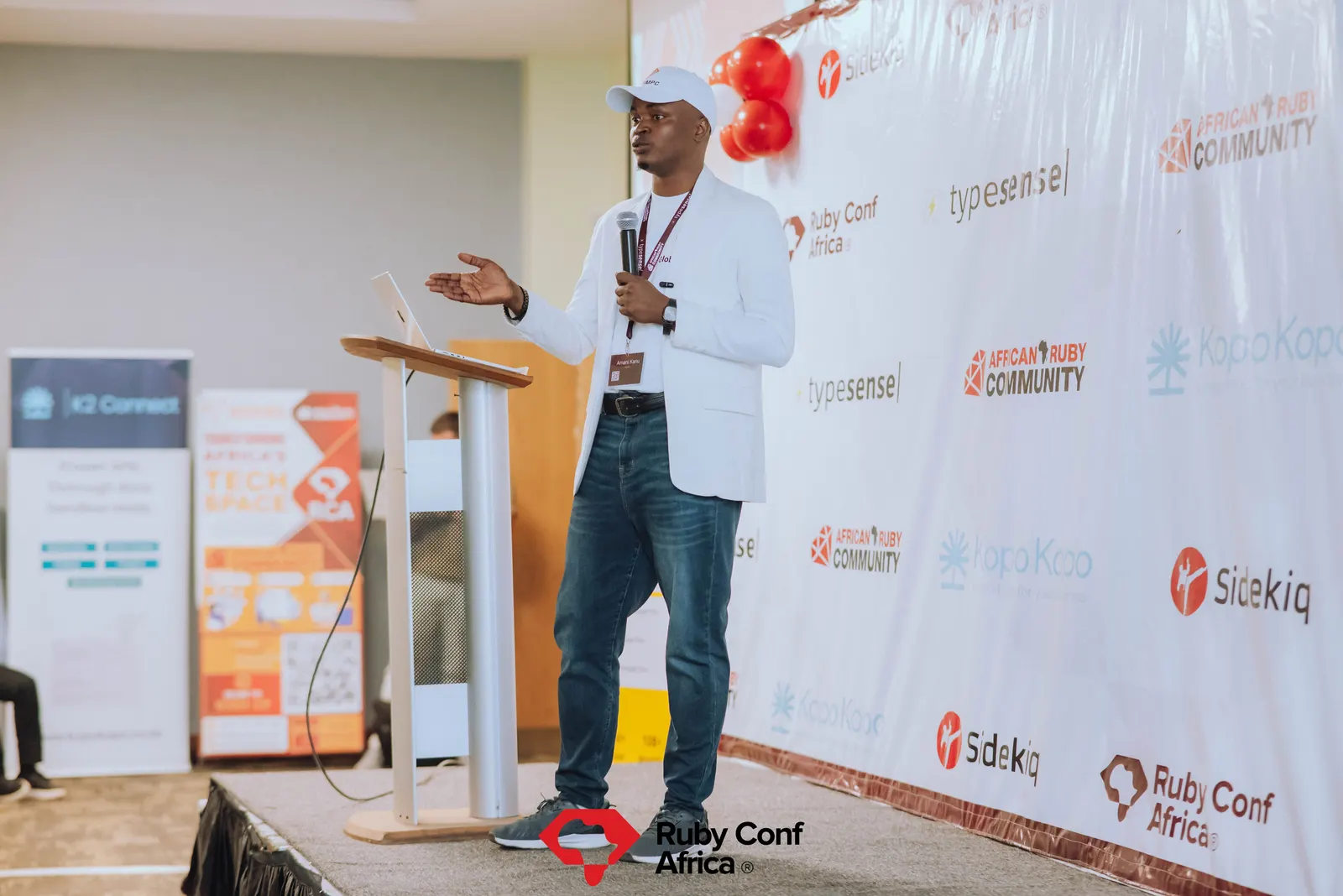
Amani Kanu, Developer Relations at MPC, spoke at RubyConf Africa 2026 about building with AI, using MPC as the working example.
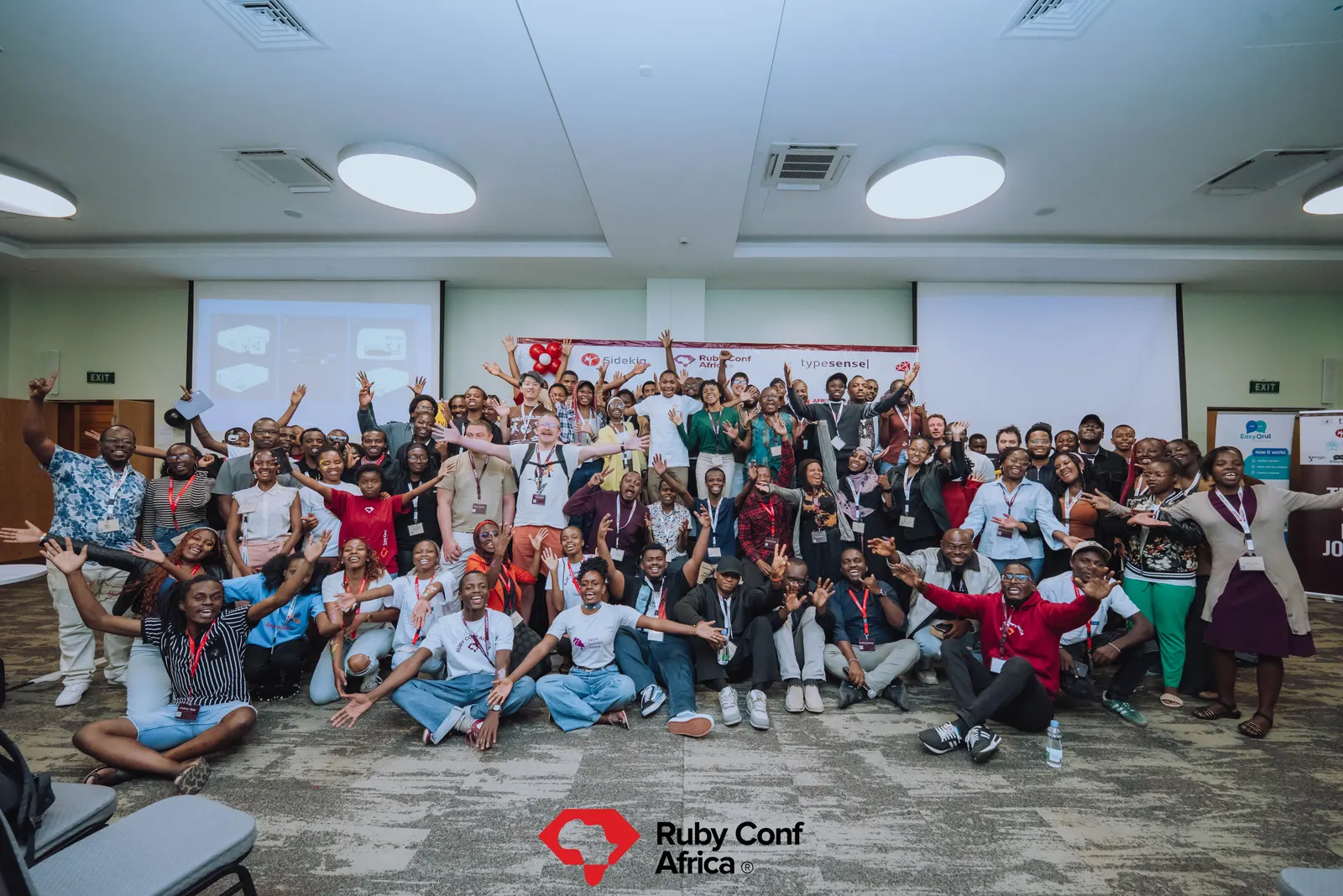
The next generation of builders will be defined by how effectively they can think, build, and work with AI.
MPC is building Mining RWA infrastructure that connects real-world mining assets from Mongolia with global capital markets through blockchain technology. The product brings together mining operations, real-world assets, blockchain infrastructure, financial logic, and software systems, creating an environment where technical decisions are closely connected to real-world business requirements.
That complexity makes MPC a useful real-world case study for understanding what AI-native development looks like in practice. This was the central idea behind "Beyond Code: From Ruby Engineers to AI-Native Builders," a presentation delivered by Amani Kanu, Developer Relations at MPC, at RubyConf Africa 2026.
Using MPC as a real-world example, Amani explored how engineers can collaborate with AI while working on a complex RWA infrastructure product, and how that collaboration changes the role of the modern builder.
Why MPC Is Building in an AI-Native Environment
Building MPC's Mining RWA infrastructure requires the team to work across product requirements, technical architecture, business logic, infrastructure, and the real-world context surrounding mining assets and markets. These layers are closely connected, which means engineers have to move between technical implementation and broader product decisions throughout the development process.
This is where AI can become useful as part of the building process. It can support activities such as research, planning, documentation, coding, and other execution-heavy tasks, helping builders move through different stages of development with less friction while keeping the focus on the underlying problem and product requirements.
As these capabilities become part of the workflow, engineers can spend more of their time evaluating what should be built, why it should be built, and whether a proposed solution fits the wider system.
The Bottleneck Is Changing
Traditional software development often moves through a sequence. Research happens, planning follows, design takes place, engineering begins, and reviews happen later. Teams can spend significant time waiting for one stage to finish before fully progressing into the next. The presence of AI changes how much of that work can happen at the same time.
During his presentation, Amani described this as a shift from writing code as the bottleneck to clear thinking becoming the bottleneck. When AI can accelerate repetitive research, planning, documentation, and implementation, the scarce resource becomes human judgment.
The question is no longer simply: "How fast can we write this?"
It becomes: "Do we understand what we should build, and can we make the right decisions quickly enough?"
For a company like MPC, this distinction matters because the engineering problem is connected to a much larger system. Technical implementation has to make sense within the context of mining assets, financial infrastructure, blockchain technology, and the product experience.

Inside MPC's AI-Native Development Process
For MPC, the value of an AI-native environment comes from reducing friction throughout the development process. AI can act as a force multiplier across different stages of building, helping the team move through information-heavy and repetitive work faster. Research can be accelerated. Documentation can be prepared more efficiently. Ideas can be explored earlier. Implementation can move faster once the direction is understood. That creates more room for engineers and product contributors to focus on areas where human judgment matters most.
The principle is straightforward: AI accelerates execution. People determine direction.
This becomes especially relevant when building infrastructure connected to real-world assets, because technical execution cannot be separated from business and operating context. A technically correct implementation can still be the wrong solution if the underlying product decision is unclear.
AI can help teams process more information and execute faster. The responsibility for deciding what that information means, which direction to take, and what the final system should accomplish remains with the people building it.
The Human Layer Still Matters
It is easy to interpret AI-native development as an argument for less human involvement. The MPC case suggests a different outcome. As AI takes on more execution-heavy work, human judgment becomes more important.
Someone still needs to define the objective, determine whether the output makes sense, understand the domain, and take responsibility for the decision.
The engineer is increasingly someone who can direct systems, evaluate outputs, understand context, and make sound technical decisions. Coding remains part of the role, but it becomes one component of a broader development process. This also changes the skills that matter.
Knowing how to produce code efficiently remains useful, but understanding the problem deeply enough to guide AI effectively becomes increasingly valuable. The ability to question an output, identify hidden assumptions, and recognize when a technically plausible answer does not fit the actual product becomes part of engineering judgment.
And human creativity remains difficult to replace because building a product involves more than generating implementation details. It requires deciding what is worth building in the first place.
What MPC Is Taking Forward
MPC's experience with an AI-native environment points toward a broader shift in how modern technology companies can build. The teams that benefit most from AI will likely be those that understand where AI creates leverage while keeping human judgment in control of important decisions. AI can increase the amount of work a team can process, but the quality of the outcome still depends heavily on the team's ability to understand its product, its users, and its operating environment.
For MPC, that means continuing to build with both sides of the equation in mind: powerful technology and capable people. RubyConf Africa 2026 gave Amani a platform to share that perspective with other builders, while MPC gave him a real product being built in the AI-native era as a practical context for that discussion. As AI tools continue to evolve, the definition of a builder will evolve with them.
My Mine: A More Interactive Way to Explore MPC
My Mine is live in MPC Unity. It is a simulation mini game where people dig, refine, assay and ship, and follow the Mining RWA lifecycle through play rather than through a technical explanation alone.
Ready to dig?
MPC Team, globalMPC
September 14, 2026