
What Are Real-World Assets (RWA)? Tokenization Explained
RWA tokenization represents rights in a real-world asset through blockchain-based tokens. What the terms mean, the four steps, why mining is a demanding case and how to judge an RWA project.
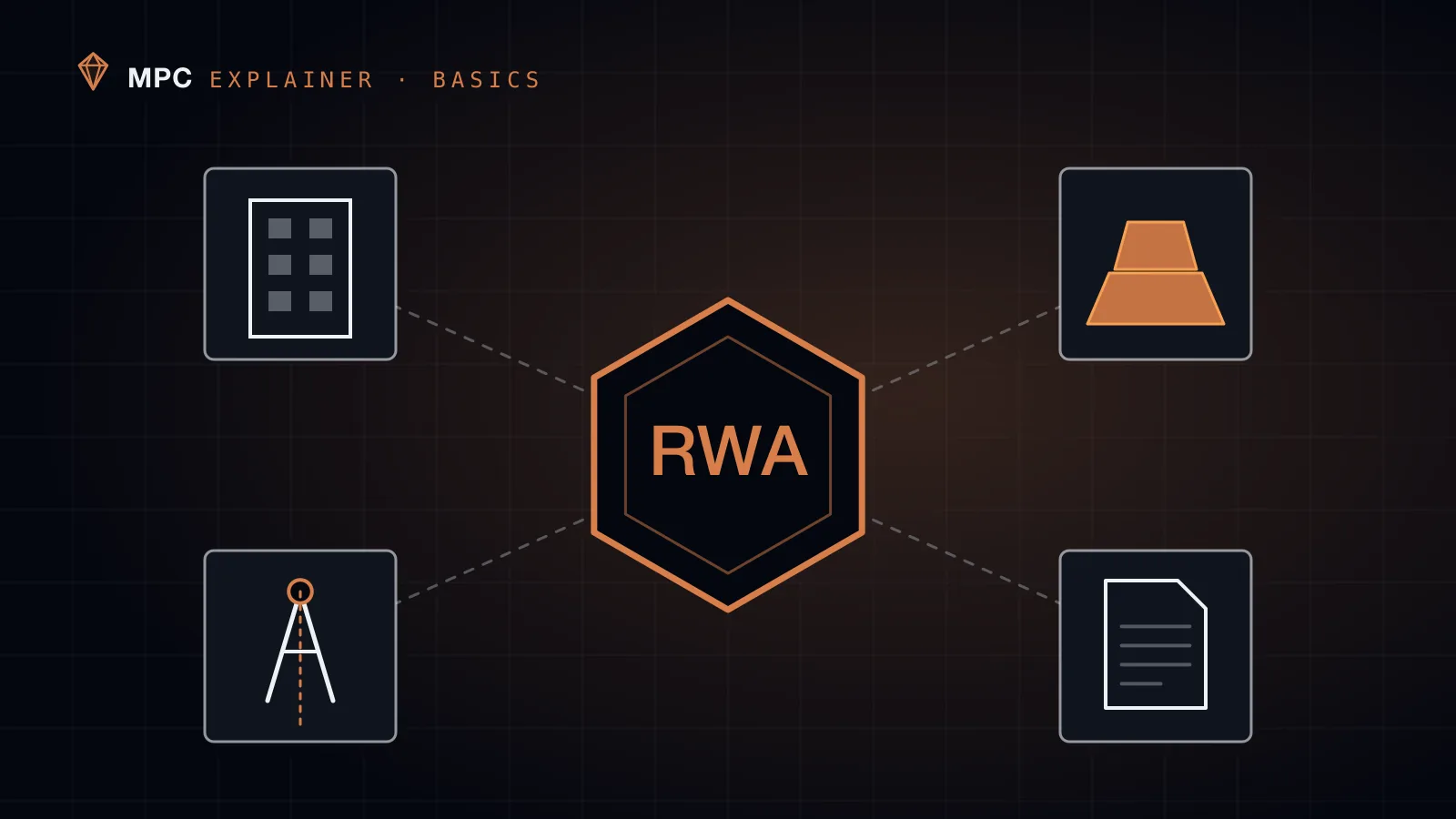
Real-world assets (RWA) are physical or traditional assets, such as property, bonds, commodities or mineral projects, whose rights or records can be represented through blockchain-based systems. RWA tokenization is that representation. It holds only when three things agree: the legal right, the evidence behind the asset and the digital record. This guide explains the terms and the general steps, using mining as the worked example.
What is RWA?
RWA stands for real-world assets. The term covers assets that exist outside a blockchain: land and buildings, government or corporate debt, commodities, private credit, equipment and natural resources. In crypto, RWA refers to projects that connect such assets, or the rights attached to them, to blockchain-based records.
The asset itself does not move onto a blockchain. What can be put on-chain is a record of it, or a token that represents a legally defined right connected to it.
What is RWA tokenization?
RWA tokenization is the process of representing rights or interests in an eligible real-world asset through blockchain-based digital tokens, within the applicable legal and regulatory framework.
Three points follow from that definition:
- A token is not the asset. It represents a right that has to be defined somewhere else, usually in legal agreements and the issuer's structure.
- The evidence matters as much as the token. A token linked to an asset that nobody has verified carries the same uncertainty as the asset's paperwork.
- The rules depend on the right. How a token is regulated depends on what it represents and where it is offered.
How does tokenization work, step by step?
Tokenization projects differ by asset class, but most follow the same sequence. MPC organises it for mining projects in four connected stages:
- Verify. Start with the asset and its evidence. For a mining project this means exploration licences, geological reports, drilling information, laboratory results and ownership records, reviewed by qualified professionals within their own scope. Each verification record should state the evidence examined, the method and the limitations.
- Structure. Organise the reviewed information into consistent digital records. Sources, document versions, responsible parties and verification outcomes are linked so each record can be traced.
- Tokenize. Once the necessary legal, organisational, technical and compliance requirements are met, an eligible asset may move toward digital representation and on-chain issuance. This step stays conditional on the asset's legal structure.
- Manage. Keep the records current after the structure is in place: project updates, documented changes, verification history and access for authorised parties.
A longer walk through each stage, for mining projects, is in Mining Asset Tokenization.
Why mining is a demanding test case
Many RWA projects start with assets whose value is easy to observe, such as a building with a valuation or a bond with a coupon. A mining project is harder. Its value depends on what is in the ground, how well that has been measured, the rights to extract it and the cost of doing so.
That makes evidence the core problem. Exploration observations and assay results are not the same as a declared mineral resource. Recognised reporting codes such as JORC and NI 43-101 require a competent or qualified person to sign resource and reserve estimates, and a project without such a report should not be presented as if it had one. What Is Mining RWA Tokenization? covers the mining-specific questions in more detail.
How to judge an RWA project
Before relying on any RWA token or platform, check:
- Which asset and which legal right the token represents, and who issues it.
- Which primary records are published, and who reviewed them.
- Whether the project states its limitations, such as missing reports or unbuilt components.
- Whether dates, status and risks are stated, not only the vision.
Where MPC fits
MPC is building mining RWA infrastructure that connects mining project data, professional verification and structured digital records. Its first reference case, Tsagaan Tolgoi, is an exploration-stage project; the published records are listed on Technical Reports, and none of them is a resource or reserve estimate.
The MPC Registry dApp remains in development. $MPC is designed for BNB Smart Chain and has not been issued; it remains at the pre-TGE stage. The whitepaper and the dApp guide describe the full design; How It Works gives a shorter overview, and the documentation hub collects the whitepaper and technical docs.
FAQs
What is RWA in crypto?
RWA means real-world assets: property, debt, commodities, natural resources and other assets that exist outside a blockchain. In crypto, the term refers to projects that link those assets, or the rights attached to them, to blockchain-based records or tokens.
What is RWA tokenization?
It is the process of representing rights or interests in an eligible real-world asset through blockchain-based tokens, within the applicable legal and regulatory framework. The token represents a right; it does not move the asset itself on-chain.
How does tokenization work step by step?
Verify the asset and its evidence, structure the reviewed information into traceable records, tokenize once the legal and technical requirements are met, and manage the records over time. The order is the same across asset classes; the evidence and legal work differ.
Does holding an RWA token mean owning the asset?
Not necessarily. What a token gives its holder depends on the legal structure behind it. Read the issuer's terms and disclosures to see which right, if any, the token represents.
Do I need a crypto wallet to learn about RWA projects?
No. Documentation, technical records and disclosures can be read without a wallet. A wallet is only needed for on-chain steps, and MPC's on-chain registry components have not been deployed yet.
MPC Team, globalMPC
November 18, 2026